

By Saheli Plus | March 7, 2025
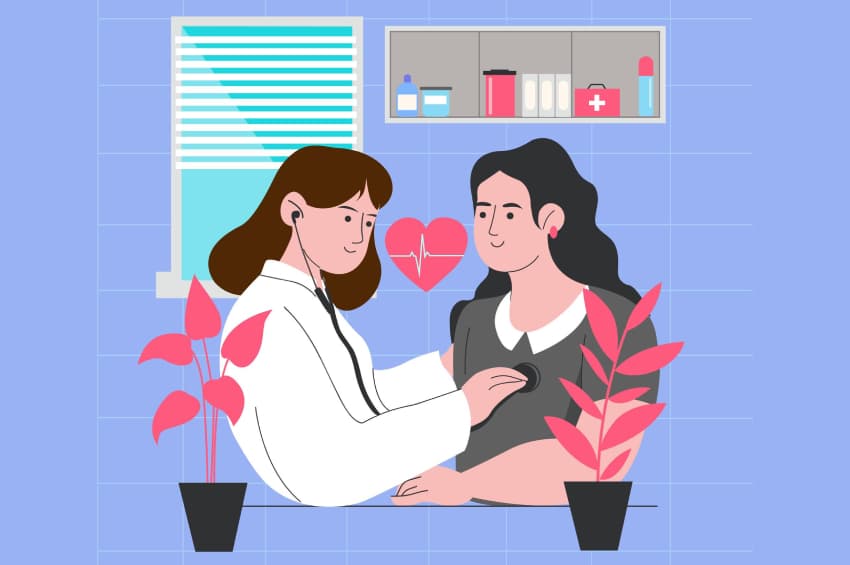
Reproductive health and well-being are the most important aspects of women's lives. Contraception can enable birth spacing and empower you with education, a good career path, and leadership positions. However, health issues and the factors that affect your reproductive health and overall well-being can place hurdles and stop you from achieving your goals and leading a happy life. So, it is critical to prioritise your reproductive health and wellness.
International Women’s Day (IWD) reminds women to take charge of their health and well-being. It motivates you to accelerate action towards ensuring health and well-being by taking proactive steps. So, this International Women’s Day, let’s pledge to undergo preventive care to maintain reproductive health and wellness.
The following 10 preventive measures are indispensable for all women. They can help you safeguard your health, detect potential issues early, and enhance your quality of life.
Breast cancer is one of the most common cancers among women. The risk of breast cancer increases with age, family history and genetics, hormonal and lifestyle factors, environmental factors, etc. Numerous studies have established even the use of hormonal contraceptive pills can increase the risk of breast cancer.
According to the National Cancer Institute, among the 150,000 women who participated in 54 epidemiologic studies, those who used hormonal OCPs had a 7% increase in the risk of breast cancer compared with women who had never used oral contraceptives.
So, it is critical to identify these risk factors, avoid anything that increases the risk, and detect the disease early to improve the survival rate significantly. You can detect breast cancer through:
Cervical cancer is another one of those cancers that affects women. It can be prevented with regular screenings through the Pap smear method. This test detects precancerous changes.
Human papillomavirus (HPV) is a sexually transmitted infection (STI) that can cause several types of cancers, including cervical cancer. No drug eliminates HPV effectively, though HPV vaccines are available for young people.
To diagnose cervical cancer early, you must:
Hormonal contraceptives can cause hormonal imbalance, leading to side effects such as hair loss, mood swings or weight gain. To avoid these physical and mental health issues, it is indispensable to choose a non-hormonal contraceptive like Saheli.
Physical activity is crucial for maintaining reproductive health. It relieves stress, improves blood circulation, regulates hormone levels, and helps maintain body weight.
Sexually transmitted infections (STIs) can adversely affect your reproductive health, causing complications like infertility or pelvic inflammatory disease. Safe sex involves using barrier methods like condoms and regular STI screenings.
It is essential to schedule an annual visit to a gynecologist to get checked for all kinds of reproductive health issues.
Consuming adequate water daily helps detoxify and maintain healthy reproductive organs.
On this International Women’s Day, let’s pledge to take these routine preventive measures to safeguard reproductive health.
Regular screenings, safe sex practices, balanced diet, regular exercise, stress management, staying hydrated, avoiding smoking and alcohol, maintaining menstrual hygiene, and scheduling routine gynecological check-ups.
By Saheli Plus | March 24, 2026
By Saheli Plus | March 3, 2025
By Saheli Plus | February 24, 2026
By Saheli Plus | February 5, 2026
By Saheli Plus | January 22, 2026
By Saheli Plus | January 6, 2026
By Saheli Plus | December 19, 2025
By Saheli Plus | December 4, 2025
By Saheli Plus | November 25, 2025
By Saheli Plus | November 4, 2025