

By Saheli Plus | November 4, 2025
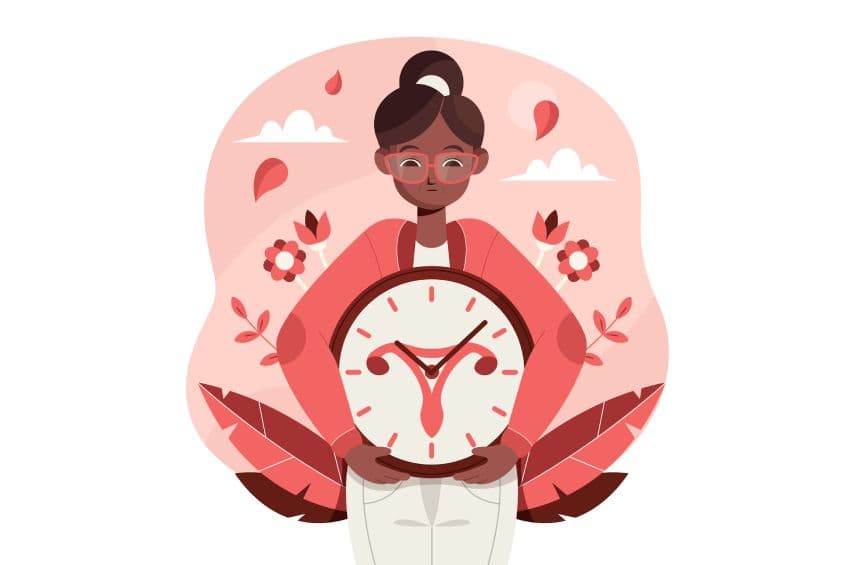
In today`s world, you need to balance so many things in life - more than any generation before you. You have to balance career growth, financial stability, personal aspirations, relationships, and the desire to build a family at the right time. While your life goals evolve with experience, your biological clock follows its own timeline. Understanding how these two paths meet helps you make choices that feel intentional rather than rushed. With the right information and choosing the right contraceptive, you can navigate your plans with clarity and confidence.
Fertility does not switch off suddenly. It changes gradually. You are born with all the eggs you will ever have, and over time, both the number and quality decline. This is why women in their 20s usually have higher odds of conception than women in their 30s or 40s, not due to reduced capability, but due to these biological shifts.
However, age is only one piece of the puzzle. Lifestyle choices, health conditions, and long-term contraceptive habits can all shape how your fertility functions in different phases of life. This is why understanding your options, including the type of oral contraceptive pills you use, becomes an important part of long-term family planning.
Several biological factors contribute to the natural decline in fertility as you age:
Understanding these biological factors does not mean you must change your life plans; it simply empowers you to align them more consciously.
When you understand your biological clock and fertility and how they affect each other, managing your career, personal growth, and family plans becomes far more straightforward. You do not have to choose one over the other; what you need is clarity, not compromise. With the right information, you can make decisions at your own pace instead of rushing based on fear or uncertainty.
On the other hand, the right contraceptive gives you the mental space to decide your timeline without hormonal disruptions or future fertility concerns. It supports clarity, giving you the freedom to design a life that reflects your ambitions, your health, and your goals. Understanding how different options work, whether they are hormonal pills or a non-hormonal contraceptive, helps you choose the right contraceptive and stay fully in control of your life timeline and choose what truly supports your long-term wellbeing.
If you want a contraceptive that gives you control without disrupting your natural hormonal balance, Saheli Plus offers a dependable and reassuring choice. It stands apart from hormonal pills, which work by altering hormone levels and require strict daily timing. Saheli Plus, in contrast, is a once-a-week pill that gently modifies the uterine lining instead of affecting ovulation or hormone regulation. It supports your reproductive health while keeping your body`s natural rhythm unchanged.
Saheli Plus has proven safety and effectiveness, backed by many decades of research, clinical trials, and sustained use in the national family planning programme since 1995. It is a safe option for both present protection and future fertility, and it allows you to make decisions with confidence, especially when you are choosing the right contraceptive for your long-term family planning goals.
Aligning your life goals with your biological clock is not about choosing one path over another; it`s about understanding your body, your priorities, and your options. With informed planning and supportive contraceptive choices like Saheli Plus, you can make decisions that empower every stage of your life. When you know how your fertility changes over time, you`re better equipped to plan without feeling rushed or uncertain. And when your contraceptive works with your lifestyle rather than against it, balancing your goals becomes far more natural and manageable.
The biological clock refers to the natural decline in a woman`s fertility over time, as her egg reserve and quality diminish with age.
Women are generally most fertile in their early to mid-20s, when egg quantity and quality are at their peak.
As women age, both the number and quality of eggs decline, leading to reduced chances of conception and a higher risk of chromosomal abnormalities.
You can`t slow the clock, but you can support healthy fertility by maintaining a balanced lifestyle, including good nutrition, regular exercise, regular gynaecological check-ups, and, if needed, fertility assessments.
By Saheli Plus | March 24, 2026
By Saheli Plus | March 3, 2025
By Saheli Plus | February 24, 2026
By Saheli Plus | February 5, 2026
By Saheli Plus | January 22, 2026
By Saheli Plus | January 6, 2026
By Saheli Plus | December 19, 2025
By Saheli Plus | December 4, 2025
By Saheli Plus | November 25, 2025
By Saheli Plus | November 4, 2025