

By Saheli Plus | December 4, 2025
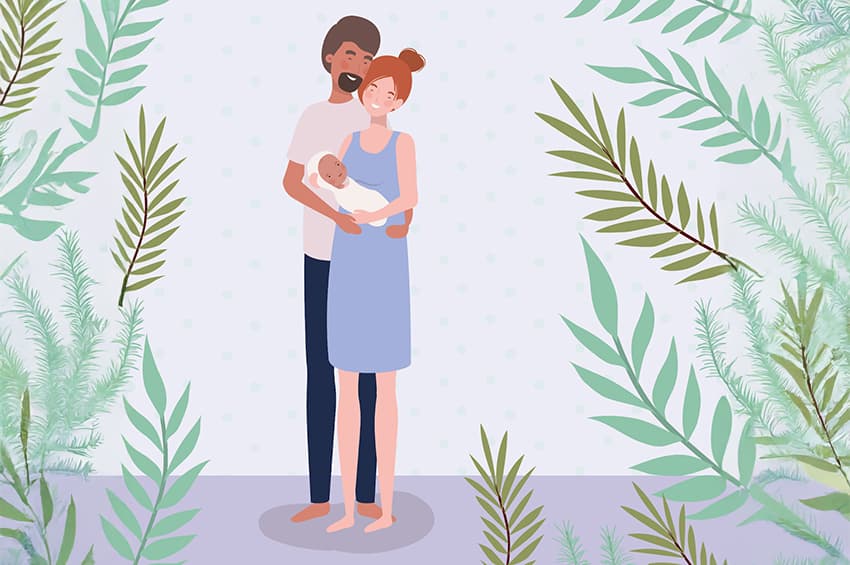
After childbirth, your body begins a gradual process of recovery and adjustment. The return of fertility is one of the most significant changes during this phase. Understanding postpartum fertility is essential for overall reproductive health. Many women assume fertility returns only after periods resume, but ovulation can occur before the first menstrual cycle, making awareness crucial. Knowing when fertility may return helps you make informed decisions.
Pregnancy temporarily stops ovulation. After delivery, your body slowly begins producing the hormones required to restart the menstrual cycle. The timing of this process varies from woman to woman.
Postpartum fertility does not follow a fixed timeline. Several factors, including individual health and recovery, influence when fertility returns. Understanding your body's signals is often more reliable than depending on assumptions or timelines.
In the weeks and months following childbirth, your body prepares to release an egg again. This process is known as ovulation after delivery. For some women, ovulation can resume within a few weeks, while for others it may take several months.
Because ovulation can occur before the first menstrual period, pregnancy is possible even before periods resume. Becoming pregnant too soon after childbirth can place additional strain on the body, as nutritional stores may still be depleted and physical recovery may be incomplete. Emotional and mental adjustment to new motherhood also takes time. Understanding postpartum fertility helps women who are not planning another pregnancy give their body the time it needs to heal.
While timelines vary, some women notice changes that may indicate fertility is returning. These signs can include:
Not every woman experiences clear signs, and the absence of symptoms does not mean fertility has not returned. This unpredictability is a normal part of postpartum reproductive health.
Several everyday factors affect how soon fertility returns after childbirth, including:
There is no “right” or “wrong” timeline. What matters most is recognising that postpartum fertility can return earlier than expected and planning accordingly.
After childbirth, the body needs time to recover and regain strength. Allowing sufficient recovery time before the next pregnancy supports physical, emotional, and long-term wellbeing. Planned child spacing also helps families manage responsibilities and care more comfortably.
If pregnancy prevention is desired, choosing a reliable contraceptive is important because ovulation may resume before periods return. Hormonal contraceptive pills are often unsuitable for breastfeeding women and may cause side effects that feel intensified during postpartum recovery. Choosing a non-hormonal contraceptive based on comfort, breastfeeding status, and medical guidance is often preferred.
Making informed contraceptive choices helps protect reproductive health while allowing family planning at a pace that feels right.
For women seeking postpartum contraception, Saheli Plus offers a safe and effective non-hormonal option. Decades of research, clinical trials, and inclusion in the national family planning programme have established its safety for breastfeeding women.
Saheli Plus is taken twice a week for the first three months and once a week thereafter. This dosing schedule can be convenient for women adjusting to the demands of new motherhood while still wanting reliable pregnancy prevention.
Because it is non-hormonal, Saheli Plus does not interfere with the body's natural cycle. It helps women avoid the side effects associated with hormonal pills, which is especially important during a phase marked by recovery from nutritional depletion, physical exhaustion, and emotional adjustment.
Understanding postpartum fertility helps women stay prepared during a time of significant change. Whether the goal is pregnancy prevention or planning future pregnancies, awareness provides confidence and control.
Every woman's body follows its own rhythm after childbirth. By learning about ovulation after delivery, recognising early signs of fertility return, and choosing contraception that aligns with personal needs, women can support their postpartum reproductive health in a way that feels right.
1. How do I know when my fertility returns postpartum?
Fertility returns when ovulation begins again, which can happen before the first period. Signs may include changes in vaginal discharge, mild lower abdominal discomfort, or the return of menstrual cycles.
2. Is it true that you're more fertile postpartum?
There is no evidence that fertility is higher postpartum. However, pregnancy can occur unexpectedly because ovulation may resume before periods return.
3. Can you track ovulation postpartum?
Yes. Ovulation can be tracked using physical signs or ovulation tracking tools. Cycles may be irregular initially, so tracking may take time to become reliable.
4. How can I tell if I already ovulated?
Ovulation may have already occurred if you notice changes in vaginal discharge followed by a period. In many cases, ovulation happens without noticeable symptoms, especially during early postpartum months.
By Saheli Plus | March 24, 2026
By Saheli Plus | March 3, 2025
By Saheli Plus | February 24, 2026
By Saheli Plus | February 5, 2026
By Saheli Plus | January 22, 2026
By Saheli Plus | January 6, 2026
By Saheli Plus | December 19, 2025
By Saheli Plus | December 4, 2025
By Saheli Plus | November 25, 2025
By Saheli Plus | November 4, 2025