

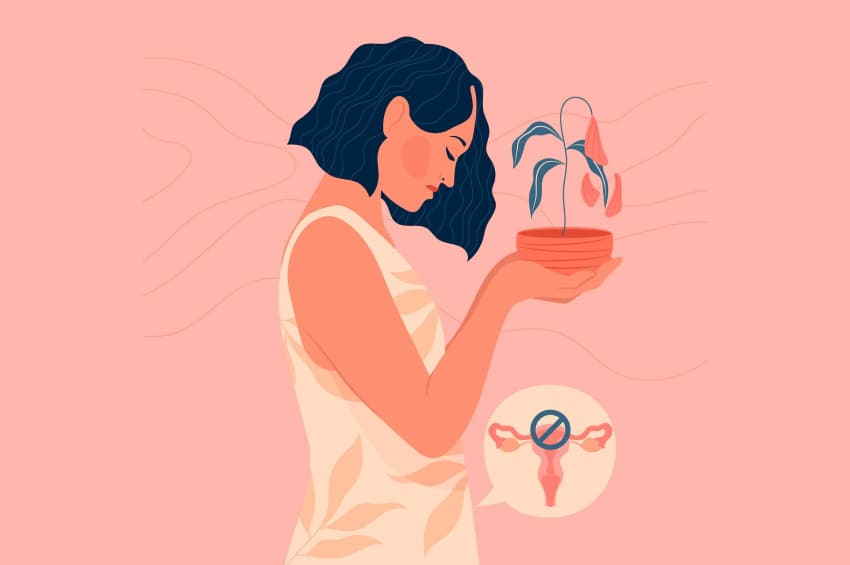
The modern lifestyle has caused numerous chronic illnesses among the Indian populace. Diabetes, hypertension, obesity, and cardiovascular diseases are some of the most common chronic illnesses the Indian population suffers from. Having chronic illnesses also affects other aspects of a person's health.
Women with chronic illnesses are especially vulnerable to reproductive health issues, since ovulation, reproductive health, and menstrual health depend on a delicate hormonal balance, and chronic illnesses can cause or exacerbate hormonal imbalance. According to a nationally representative survey, 17.4% of women aged 15–49 years in India reported at least one chronic morbidity, including diabetes, hypertension, thyroid disorder, heart disease, and more.
Conditions such as diabetes and thyroid disorders affect fertility, menstrual regularity, and contraception choices, making reproductive health management more complex and nuanced. Understanding the relationship between chronic illnesses and fertility enables women to make informed, safe, and empowered decisions regarding contraception methods and family planning.
This article explores how diabetes and thyroid disorders impact women's reproductive health, explains the need to choose contraception methods based on chronic illnesses, and outlinesSaheli Plus's non-hormonal approach to safe family planning without disrupting hormonal balance.
Understanding Chronic Illness and Women's Reproductive Health
A chronic illness is a long-term medical condition that often requires careful management through ongoing treatment, monitoring, and lifestyle adjustments. Chronic diseases and long-term medication can trigger metabolic and endocrine changes that impact women's reproductive health at multiple levels, including:
- Hormonal regulation
- Ovulation
- Menstrual cycles
- Pregnancy outcomes
Women living with chronic illnesses often require a more personalised approach to fertility planning and contraception.
Diabetes and Fertility: The Reproductive Impact
Diabetes is one of the most common chronic illnesses affecting women globally. Inadequate insulin secretion causes elevated blood sugar levels, which can interfere with ovulation when not managed properly. Irregular menstrual cycles are often the first sign, potentially leading to delayed conception and other reproductive challenges.
Even when insulin levels are adequate, insulin resistance can affect ovarian function, egg quality, and implantation. For women planning pregnancy, careful diabetes management is essential, as uncontrolled blood glucose levels increase the risk of miscarriage and pregnancy complications.
Proactive family planning and appropriate contraception choices are therefore indispensable for women managing diabetes.
Thyroid Disorders and Reproductive Health
Thyroid disorders involve either excessive hormone production (hyperthyroidism) or insufficient hormone production (hypothyroidism). Both conditions are closely linked to fertility.
Thyroid hormones regulate ovulation and menstrual cycles. Even mild thyroid imbalances can disrupt reproductive health, causing irregular periods, anovulation, or increased risk of early pregnancy loss.
Because hormone levels often fluctuate, maintaining thyroid stability is essential for fertility preservation and overall reproductive health.
Contraception Considerations for Women with Diabetes and Thyroid Disorders
Women with chronic metabolic or endocrine conditions must make informed contraceptive choices. Long-term use of hormonal contraceptives can influence disease control and reproductive health, as supported by research findings.
Diabetes and Contraception
According to a Cochrane Database review, hormonal pills influence carbohydrate metabolism and insulin sensitivity, requiring careful blood glucose monitoring.
Research published in Women's Health found that oral contraceptive pill use for more than two years was associated with higher fasting glucose, mean arterial pressure, body weight, and BMI.
Thyroid Disorders and Contraceptive Adaptation
Hormonal contraceptives may increase thyroid-binding globulin levels, complicating thyroid hormone measurements and dosage adjustments for women on thyroid replacement therapy.
Oestrogen in most hormonal contraceptives can alter thyroid hormone production and metabolism, reinforcing the importance of careful contraceptive selection.
These findings highlight that women with diabetes, thyroid disorders, or risk of developing these conditions may benefit from non-hormonal contraception.
The Value of Non-Hormonal Contraception in Managing Chronic Illness
While hormonal pills are effective, they can disrupt hormonal balance and cause side effects that may worsen symptoms of chronic illnesses. Non-hormonal contraceptives provide a safer alternative by preserving endocrine and metabolic stability.
Saheli Plus: A Supportive Choice for Chronic Illnesses
Saheli Plus offers effective non-hormonal contraception without disrupting the body's natural hormonal cycle. This makes it particularly suitable for women managing chronic conditions such as diabetes and thyroid disorders.
Saheli Plus supports:
- Reliable contraception without hormonal side effects
- Convenient weekly dosage adherence
- Easy reversibility
- Pregnancy planning alongside optimal health management
- Endocrine stability for long-term reproductive health
Final Thoughts
Managing chronic illness alongside reproductive health requires informed decision-making. Contraception should be selected not only based on family planning goals but also on long-term health considerations.
While hormonal pills remain effective, their impact on hormonal balance can be challenging for women with chronic illnesses. Saheli Plus provides an effective, non-hormonal alternative that supports reproductive health without compromising disease management.
FAQs
1. What is a chronic illness?
A chronic illness is a long-term health condition that requires ongoing management.
2. Does chronic illness affect fertility?
Yes. Chronic illnesses can disrupt hormonal balance, affecting ovulation, menstrual regularity, fertility, and pregnancy outcomes.
3. What illnesses can affect fertility?
Conditions such as diabetes, thyroid disorders, PCOS, autoimmune diseases, and obesity can affect fertility by altering hormonal balance.
4. Can illness impact fertility?
Yes. Illness can impact fertility through hormonal disruption, medication effects, stress, and metabolic changes.