

By Saheli Plus | November 25, 2025
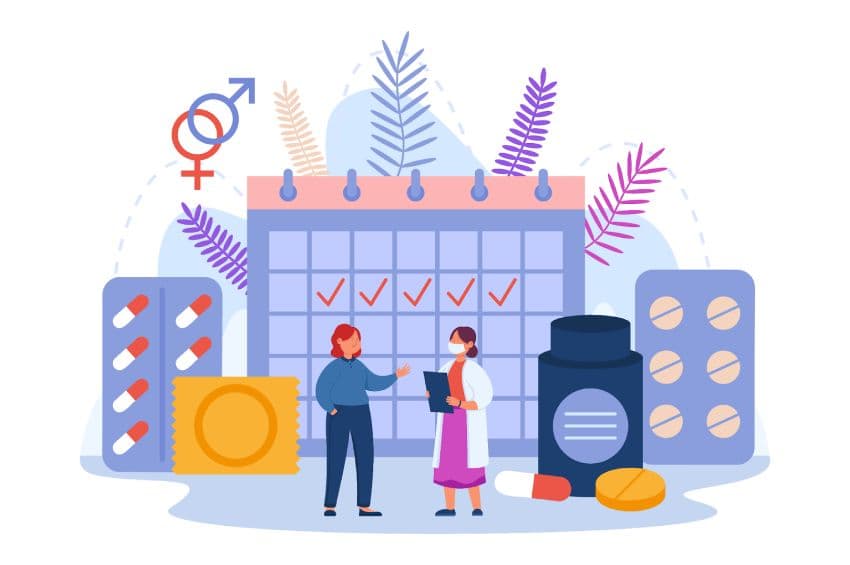
Missing a contraceptive pill is more common than most women realise. Busy schedules, interrupted routines, or simple forgetfulness can affect how well a contraceptive works. When this happens, there is a chance of contraceptive failure, and naturally, concerns about pregnancy, health risks, and the safety of the baby begin to surface. Choosing the right contraceptive is important for reproductive health and contraception, especially when a missed contraceptive pill can influence pregnancy outcomes.
This article helps you understand why contraceptive failure happens, what it means if pregnancy occurs during pill use, and how a non-hormonal contraceptive like Saheli Plus can reduce the impact that comes with missed doses.
Most oral contraceptive pills need to be taken as per the dosage schedule to maintain the required level of effectiveness. Even a single missed contraceptive pill, or taking it several hours late, can reduce protection. This is especially true for hormonal pills, which rely on consistent hormone levels to prevent ovulation or make the uterine lining less receptive.
When timing becomes irregular, the pill may not work as intended, and the possibility of pregnancy increases.
Sometimes, contraceptive failure is linked to everyday events that people may not connect to their pill:
While oral contraceptive pills are highly reliable when taken perfectly, real-life use rarely matches ideal conditions. Stress,lifestyle changes, and simple forgetfulness, including the occasional missed contraceptive pill, all play a role. This is why unintended pregnancies can still occur even among women who believe they are following instructions closely.
Understanding this helps reduce self-blame and encourages informed decision-making about the type of pill that best fits one`s lifestyle.
When pregnancy occurs while using hormonal pills, many women worry about the side effects on the developing baby. Research on commonly used hormonal pills shows that they generally do not cause birth defects. However, exposure during early pregnancy can raise concerns about how the foetus might be affected or whether there may be long-term implications.
These concerns about the side effects of birth control pills on the mother and the baby become stronger when the pregnancy results from inconsistent pill use, especially in situations involving a missed contraceptive pill.
Many women naturally feel concerned when pregnancy occurs after inconsistent pill use, particularly about potential effects on the baby and their own health. Seeking confirmation of pregnancy from a healthcare professional and getting timely guidance is the safest way to address these concerns.
Understanding the differences between hormonal and non-hormonal contraceptives can help ease anxiety, as non-hormonal options like Saheli Plus do not interfere with natural hormone levels. Early awareness and informed decisions allow women to manage their reproductive health confidently.
Saheli Plus works differently from traditional hormonal contraceptives. It is a non-hormonal pill, which means it does not rely on altering or regulating a woman`s natural hormones to prevent pregnancy. Because there are no synthetic hormones involved, the concerns associated with foetal hormone exposure do not arise in the same way they do with hormonal pills.
Unplanned conception can occur with any contraceptive when doses are missed. But with Saheli Plus, this risk is naturally lower because its simpler, less-frequent dosing schedule is easier to maintain than daily pills.
And if pregnancy does happen, Saheli Plus offers added reassurance — its non-hormonal nature means it does not expose the baby to synthetic hormones or interfere with your body`s natural hormonal processes during early pregnancy.
Missing a pill is common, and it`s one of the main reasons contraceptive failure happens. When that missed dose leads to a possible pregnancy, it`s natural for you to wonder how your pill might affect your health or your baby.
If you want to avoid the hormonal concerns linked with traditional pills, Saheli Plus offers reassurance. Its non-hormonal formulation means it doesn`t interfere with your natural hormones, and it does not raise the same worries about foetal exposure if pregnancy occurs after a missed dose.
The simple schedule, twice a week for three months, then once a week, also makes it easier to stay consistent and reduces the likelihood of missing doses.
While no contraceptive is perfect, choosing one that fits your routine helps you feel more in control. Saheli Plus gives you a reliable, non-hormonal option that minimises the impact of missed pills. For the safest guidance, always consult your healthcare provider.
Saheli Plus prevents pregnancy by altering the uterine lining, making it less suitable for implantation. It works as a non-hormonal contraceptive without affecting ovulation.
Missing even one hormonal pill can reduce its effectiveness, as consistent daily intake is essential. If you miss a Saheli Plus dosage, take the missed pill as soon as you remember and use backup protection for 7 days.
Oral contraceptive pills work by preventing ovulation or implantation, depending on their formulation. When used correctly, they are safe, effective, and widely studied for long-term reproductive health.
No, regular hormonal daily contraceptive pills or Saheli Plus do not harm future fertility or affect the health of future pregnancies. Normal fertility typically returns soon after stopping the pill, depending on the type used.
By Saheli Plus | March 24, 2026
By Saheli Plus | March 3, 2025
By Saheli Plus | February 24, 2026
By Saheli Plus | February 5, 2026
By Saheli Plus | January 22, 2026
By Saheli Plus | January 6, 2026
By Saheli Plus | December 19, 2025
By Saheli Plus | December 4, 2025
By Saheli Plus | November 25, 2025
By Saheli Plus | November 4, 2025