

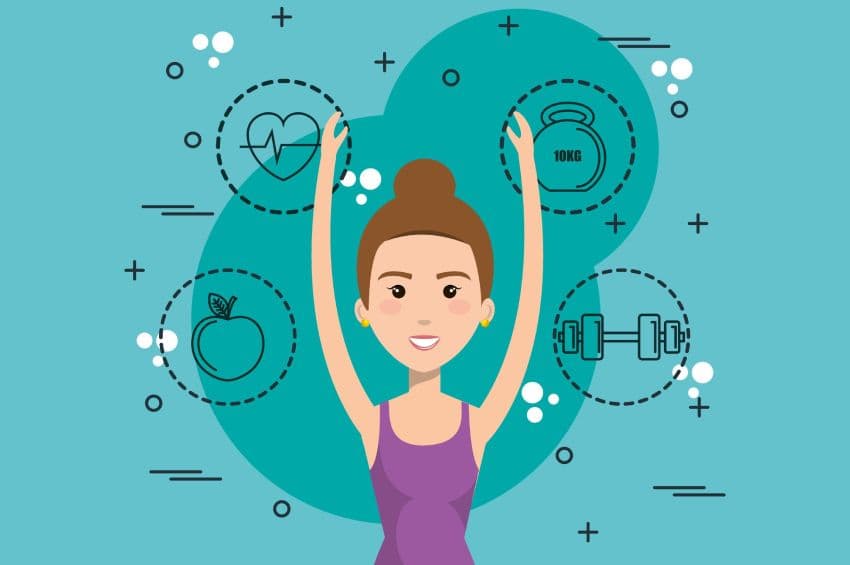
Self-care is crucial for healthy living in a time when various factors, such as environmental conditions and lifestyle, affect women's reproductive health, fertility, and overall wellness. However, in a fast-paced world dominated by social media trends, wellness and self-care are often limited to skin routines and occasional relaxation practices aimed at avoiding burnout.
Holistic self-care can be achieved only through a comprehensive approach that integrates physical health, mental well-being, and women's reproductive health into a balanced lifestyle. Leaving out even one aspect of self-care can be counterproductive. For instance, contraception as a health choice is often overlooked. While it plays a crucial role in family planning and child spacing, it is rarely integrated into daily or weekly self-care routines.
Modern, empowered women, especially working women, navigate multiple roles and responsibilities daily. They face numerous challenges and are at the most risk of not achieving balanced wellness. Gaining awareness of holistic self-care and a balanced lifestyle, consistently following those practices, and making the right choices pave the way for women to achieve long-term wellness.
This article explores the various aspects of holistic self-care and explains how Saheli Plus, a non-hormonal contraceptive, integrates into your routine, enabling you to align contraception seamlessly with your broader wellness lifestyle.
Why You Need Holistic Self-Care
A modern lifestyle can disrupt your routines and throw your life into disarray. As you juggle multiple roles in your family and work, you can break your natural rhythms. Irregular meals, sedentary habits, stress, and lack of sleep can gradually creep into your life, contributing to imbalances. Your body and mind respond to changes in nutrition, movement, mental well-being and reproductive choices; they impact women's reproductive health and overall wellness.
To achieve emotional stability, overall wellness, and improved energy levels, you need to align all the aspects that contribute to your wellness. You can achieve that only through proactive, holistic self-care, and not by reacting to health concerns.
What are the Components of Holistic Self-Care?
Holistic self-care includes optimising the following aspects of your life.
1. Nutrition
Nutrition is crucial for women's wellness. Consuming a balanced diet is fundamental to maintaining a steady supply of nutrients essential to the healthy functioning of your mind and body. To ensure good reproductive health and overall wellness, you should:
- Include iron-rich foods, such as leafy greens and legumes, to support energy and reproductive health.
- Intake adequate levels of calcium for bone strength and long-term wellness.
- Consume fibre-rich foods to aid digestion and achieve metabolic balance.
- Have adequate water to remain hydrated and support optimal overall bodily functions.
- Avoid processed foods and foods made of refined ingredients, and choose whole, unprocessed foods.
2. Physical Activity and Movement
Exercise and movement help reduce stress and prevent health issues associated with a sedentary lifestyle. You can optimise your routine with physical activities by:
- Indulging in 3 to 4 days of moderate physical activity per week.
- Combining cardio exercises, such as walking and cycling, with strength training, such as bodyweight exercises and free weights.
- Including flexibility and recovery practices like yoga or stretching.
- Using movement as a response to stress and improving your mood.
- Maintaining consistency for sustainable results.
3. Mental and Emotional Well-being
While physical health is crucial for a healthy life, mental health is also equally important for long-term wellness. You can achieve mental well-being by:
- Practising mindfulness or meditation daily.
- Reflecting on your emotions, goals, thoughts, and daily activities through journaling.
- Taking regular breaks to avoid burnout.
- Engaging in relaxing, fun activities.
- Identifying what causes stress to you and finding coping mechanisms.
4. Rest and Recovery
While focusing on activities that support physical and mental health, it is also crucial to understand that adequate rest from all activities is equally important. You can gain some rest and recover by:
- Getting at least 7-8 hours of sleep daily.
- Reducing exposure to mobile screens, TV, and other displays before bedtime to improve sleep quality.
- Incorporating relaxation techniques such as deep breathing.
- Giving enough time off from workouts for physical recovery.
- Recognising rest as an indispensable aspect of wellness and prioritising it whenever you need it.
How Contraception Fits into Holistic Self-Care
Contraception is a vital component of women's reproductive health, yet it is often treated as separate from overall wellness. There are different types of contraceptives. They all work differently, have distinct advantages and disadvantages, and vary in effectiveness. They also come with different trade-offs, including side effects.
For instance, an Intrauterine Device (IUD) is effective and needs to be inserted once for long-term use. However, the procedure for inserting it can be expensive and invasive. Similarly, the highly effective hormonal pills work by modulating hormone levels and can cause side effects. It implies that contraception is a health choice and can directly influence your physical comfort, mental peace, and long-term health outcomes.
Integrating contraception into holistic self-care means choosing a method that complements, rather than disrupts, your overall wellness routine. So, you need to thoroughly learn about the contraceptive methods available before choosing one that can integrate with your lifestyle and help you in your journey towards long-term wellness.
Traditional Oral Contraceptive Pills (OCPs) may not always align with your lifestyle or preferences. Non-hormonal contraception offers a suitable alternative to maintain natural physiological balance while ensuring effective pregnancy prevention.
Building a Weekly Holistic Self-Care Routine Around Saheli Plus
Saheli Plus is a non-hormonal contraceptive that offers numerous advantages over hormonal pills. It does not use synthetic hormones or modulate your natural hormone levels to achieve contraception. Due to its non-hormonal action, it lacks any side effects associated with hormonal pills.
Unlike hormonal OCPs, which follow a daily dosage schedule, Saheli Plus follows a unique, more convenient weekly dosage schedule. So, the Saheli routine is rooted in simplicity and consistency, making it easier to integrate into a structured self-care plan.
To integrate Saheli Plus into your holistic self-care plan, you can align your weekly dose with a fixed day, such as the resting and reset day, which is usually a Sunday; or you can plan it with the midweek wellness check day when you usually check various health parameters like blood sugar and blood pressure.
Being a weekly pill, it is easy to pair Saheli plus with anything from a workout session to meal planning or a mindfulness practice. This will enable you to create a strong habit loop.
For instance, you can:
- Start the week on a Monday with nutritious meal prep.
- Indulge in 3 to 4 days of physical activity at a fixed time for a fixed duration.
- Schedule meditation, yoga, and mindfulness daily in the morning for mental wellness practices.
- Take Saheli Plus on a consistent day each week, paired with any of these activities.
This integrated approach ensures that contraception becomes a natural part of your wellness routine, rather than an isolated task.
Final Thoughts
Holistic self-care is about focusing on various aspects of physical and mental well-being daily, fostering harmony among the body, mind, and reproductive health. You can achieve a balanced, sustainable lifestyle by integrating the right nutrition, exercise, mental well-being, and contraception, so they work together to keep you healthy and happy.
Saheli Plus is a non-hormonal contraceptive that fits naturally into this approach. Its unique weekly-once dosage schedule makes it easy for you to integrate into your lifestyle and take the dose easily and consistently, while supporting you in making informed, empowered choices. By integrating Saheli Plus into your broader wellness routine, you can achieve a more comprehensive, mindful form of self-care.
FAQs
1. How does Saheli Plus differ from Oral Contraceptive Pills (OCPs)?
Saheli Plus is a non-hormonal contraceptive that lacks any side effects associated with the hormonal pills. Unlike the hormonal pills that work by modulating the hormone levels to achieve contraception, Saheli Plus does not alter your natural hormonal balance. It also follows a more convenient weekly dosage schedule, making it easy to integrate into your lifestyle.
2. Can a weekly Saheli Plus routine improve overall women's wellness?
The unique, weekly dosage schedule of Saheli Plus encourages consistency and reduces daily burden. It easily integrates contraception into a broader wellness plan that includes nutrition, exercise, and mental well-being.
3. Is non-hormonal contraception effective for long-term reproductive health?
Non-hormonal contraceptives like Saheli Plus do not alter the natural hormonal balance. They lack any synthetic hormones or the side effects associated with them. So, they are good for long-term reproductive health planning.
4. How can I align my self-care routine with my contraceptive schedule?
You can choose a fixed day every week for taking your contraceptive dose and pair it with wellness habits like meal planning or mindfulness. That way, you can build consistency and integrate contraception into your lifestyle.